Futures of Democracyفا

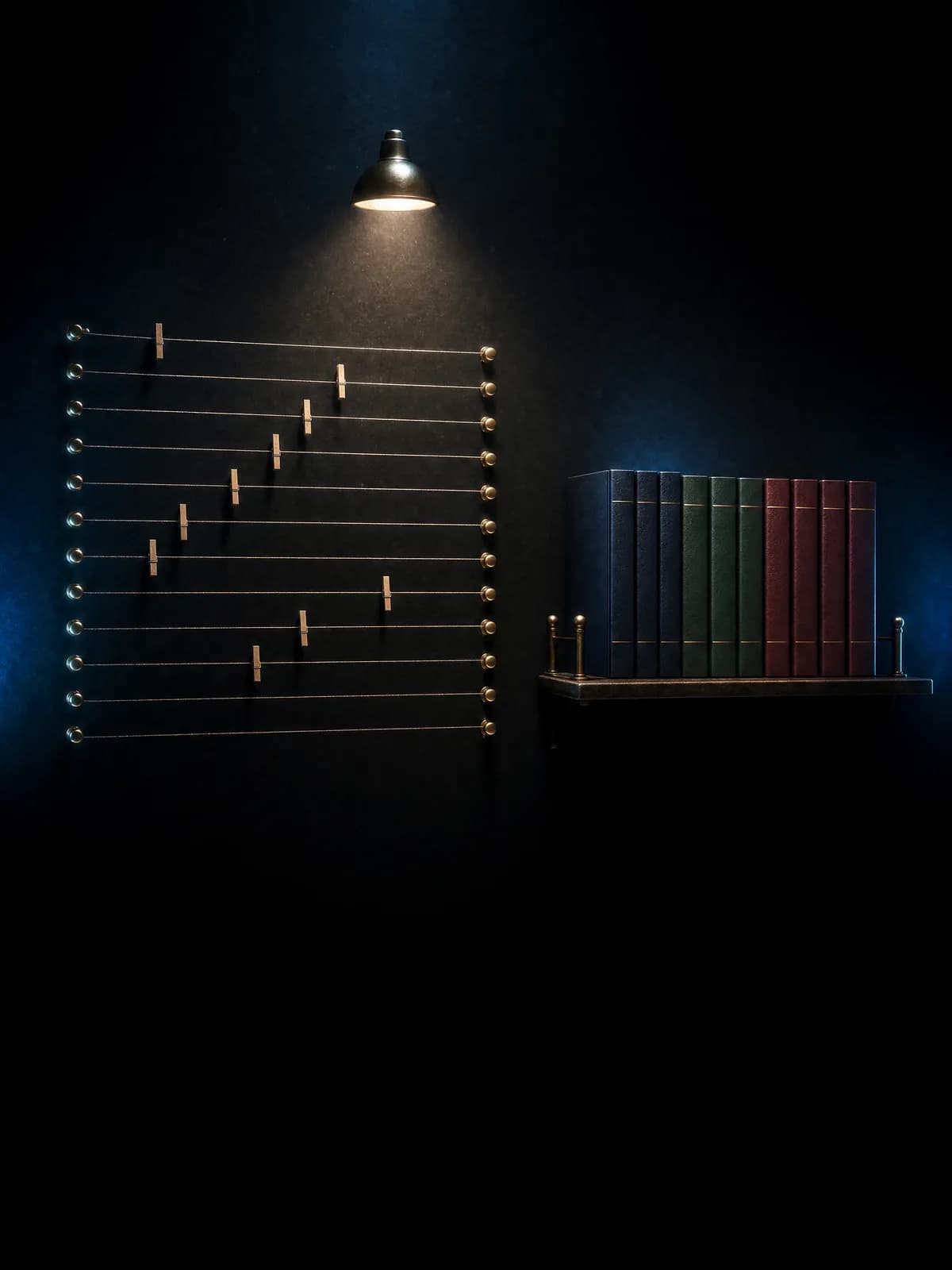
اگر همه مثل … زندگی می‌کردند

زمینِ لازم

۱٫۹زمین

ردپای هر ایرانی حدود سه هکتار جهانی است و ظرفیت زیستی کشور کمتر از یک هکتار. شبکهٔ جهانی ردپا، ۲۰۲۳.

کوله‌پشتی بوم‌شناختی

یک لپ‌تاپ
۲ کیلو
کوله‌پشتی‌اش ×۳۵۰
۷۰۰ کیلو

وزن مادهٔ خامی که برای ساختن، استفاده و دور انداختن یک محصول از زمین برداشته می‌شود.

مصرف ما چقدر خرج دارد؟

شوق مصرف روی دیگری هم دارد: کوه‌های زباله بزرگ‌تر می‌شود، منابع طبیعی بیشتری می‌بلعیم و گاز گلخانه‌ای بیشتری بیرون می‌دهیم. هم‌زمان مردم بیشتری در کشورهای محروم می‌خواهند از رفاه بهره ببرند. ردپای بوم‌شناختی هر ایرانی حدود سه هکتار جهانی است، در حالی که ظرفیت زیستی کشور کمتر از یک هکتار برای هر نفر است. اگر همهٔ جهان مثل ما زندگی می‌کرد، نزدیک دو زمین لازم بود؛ مثل آمریکایی‌ها، پنج زمین.

The ground · Nearly two earths

All these things, what for?

ده پرسش، یک عدد

زمینِ تو

هر پرسش با پاسخ یک ایرانی میانگین شروع می‌شود؛ خودت را بگذار.

  1. ۱.گوشت و مرغ چند بار در هفته؟

  2. ۲.غذا چقدر دور می‌ریزی؟

  3. ۳.خانه: برای هر نفر چند متر؟

  4. ۴.گرمایش و سرمایش

  5. ۵.برق خانه

  6. ۶.رفت‌وآمد روزانه

  7. ۷.سفر در سال

  8. ۸.لباس و وسایل نو

  9. ۹.گوشی و لپ‌تاپ را هر چند سال عوض می‌کنی؟

  10. ۱۰.زباله را تفکیک می‌کنی؟

اگر همه مثل تو زندگی می‌کردند

۱٫۹زمین

ایران ۱٫۹ · دیگران ۱٫۹ · تو ۱٫۹

بیشترین وزن: گوشت سه چهار بار در هفته، پکیج و کولر گازی.

دوازده آینده، دوازده رأی

تصور کن…

۰ از ۱۲ · کارتی را برگردان، بخوان، بگو می‌خواهی یا نه. سهم دیگران را بعدش می‌بینی.

The ground · All these things, what for?

Every Iranian throws away nearly a kilo of food a day and burns a litre and a half of petrol. The numbers of what we consume, the meaning behind each, and the question of how much is enough.

All these things, what for?

One more T-shirt. The car needs petrol. A better phone would not hurt, and the chocolate at home has run out. Every day we consume countless things, often without thinking. Global consumption rises every year, and its consequences for us and the planet are already visible. Why is cutting down so hard for us? There are many reasons, and just as many ways to consume less. For a good life, how much is enough?

Written by us

What does our consumption cost?

The appetite for consumption has another side: the mountains of rubbish grow, we swallow more natural resources and emit more greenhouse gas. At the same time more people in deprived countries want a share of prosperity. Every Iranian's ecological footprint is about three global hectares, while the country's biocapacity is under one hectare a person. If the whole world lived like us, nearly two earths would be needed; like Americans, five.

Written by us

Sources

  • Iran's ecological footprint: about 3 global hectares a person against a biocapacity under one hectare; nearly two earthsGlobal Footprint Network, ۲۰۲۳

The consumption hangover

The average Iranian has more than one mobile line, and most homes are full of things that are no use. Does the «more and more» mindset even make us happier any more? Many of us do not even have time to use what we have bought. The almost endless variety of the malls is often too much, yet we still chase the next thing.

Written by us

Sources

  • Active mobile lines: about 150 million lines for 92 million peopleCommunications Regulatory Authority, ۱۴۰۳(cited)

An unsustainable planet

The people of industrial countries consume nearly 80 percent of all natural resources. Many of these resources come from countries left with deforestation and poisoned soil. In Iran, mining and the thirst of industrial agriculture have done the same to the Zayandeh-rud and Urmia. And the poorest regions, from Sistan to Khuzestan, suffer most from climate change and contributed least to it.

Written by us

Sources

  • Industrial countries' share of resources: nearly 80 percent of natural resource usethe exhibition's text; UN Environment Programme, ۲۰۲۲(cited)

The ecological rucksack

Every product needs energy and raw materials. The ecological rucksack shows what weight of natural resources it takes to make, use and discard a product. A laptop may weigh two kilos, but its rucksack is about 700 kilograms. Across the world, every year we consume far more raw material than the environment and the climate can bear.

Written by us

The earth's sum

The «global hectare» is the Global Footprint Network's unit: one hectare of land or sea with the world's average productivity. A person's footprint is the sum of the hectares their food, home, travel and shopping need; biocapacity is the hectares the planet gives each person: in 2022, one and a half. Dividing the first by the second gives «how many earths». The Iranian footprint is about three hectares and the biocapacity of Iran's soil three quarters of a hectare; nearly two earths, and a deficit filled from somewhere else every year.

The ten questions of this board are not the network's calculation; they are a sketch of its shares: food nearly a third, home and energy a third, travel a fifth, and shopping and waste the rest. Each option has a weight in hectares, and the default answers, the average Iranian's, come to the same nearly two earths. Fifteen hundredths of a hectare are fixed too, the share of things nobody chooses: streets, schools, government offices. The network's own calculator asks more questions and knows more.

What moves the number most: meat every day, a car every day, a flight abroad, a second air conditioner. What moves it little: sorting rubbish. That too is part of the sum: some answers you can change tomorrow, and some only the city can.

Written by us

Sources

  • Iran's footprint and biocapacity (Global Footprint Network): biocapacity 0.75 global hectares a person, deficit 2.47; footprint nearly 3.2 hectaresGlobal Footprint Network, 2023 edition, ۲۰۲۳(cited)
  • The world's biocapacity a person: 1.51 global hectares (2022); the divisor of «how many earths»Global Footprint Network, ۲۰۲۲(cited)
  • The weights of «Your earth»: ten questions weighted in hectares, from the categories' shares of the network's footprint (food about a third, home and energy a third, travel a fifth); defaults 2.9 hectares (1.9 earths), range 0.8 to 3.5 earths; 0.15 hectares fixedthis site's own sketch (src/data/earths.ts), Shahrivar 1405(estimate)

Imagine…

تصور کن به‌جای رشد اقتصادی، سلامت آدم‌ها و طبیعت در صدر باشد. بوتان از ۲۰۰۸ «شادی ناخالص ملی» را در قانون اساسی دارد.

تصور کن در قانون نوشته شده باشد که همهٔ موجودات زندهٔ سیاره حق برابر دارند. اکوادور در ۲۰۰۸ حقوق طبیعت را در قانون اساسی نوشت.

تصور کن زاینده‌رود شخصیت حقوقی داشته باشد و وکیل خودش را به دادگاه بفرستد. رودخانهٔ وانگانوئی در نیوزیلند از ۲۰۱۷ شخصیت حقوقی دارد.

تصور کن روی هر کالا نوشته باشد چند لیتر آب و چند کیلو خاک پشتش است. فرانسه از ۲۰۲۱ «شاخص تعمیرپذیری» را روی لوازم برقی اجباری کرده.

تصور کن یارانهٔ بنزین به‌جای لیتر، به کیلومترِ مترو و اتوبوس داده شود. لوکزامبورگ از ۲۰۲۰ حمل‌ونقل عمومی را رایگان کرده.

تصور کن تعمیر ارزان‌تر از خریدن باشد و هر محله یک کارگاه تعمیر داشته باشد. اتریش از ۲۰۲۲ نیمی از هزینهٔ تعمیر لوازم را برمی‌گرداند.

تصور کن هفتهٔ کاری چهار روز باشد و روز پنجم برای محله. در آزمایش ۲۰۲۲ بریتانیا با شصت و یک شرکت، بیشترشان چهار روز را نگه داشتند.

تصور کن گوشت هفته‌ای یک بار باشد و سبزی هر روز. در «زمینِ تو» بالای همین صفحه، گوشت هر روز سنگین‌ترین وزن را دارد.

تصور کن پشت‌بام هر خانه یا برق بدهد یا سبزی. ساتبا برق نیروگاه خورشیدی خانگی را با قرارداد بیست‌ساله می‌خرد.

تصور کن آب هر شهر از حوضهٔ خودش بیاید و انتقال آب ممنوع باشد. زاینده‌رود با سه تونل انتقال از کوهرنگ، بیشتر سال خشک است.

تصور کن مالیات بر آنچه دور می‌ریزیم باشد، نه بر آنچه می‌سازیم. سوئد از ۲۰۱۷ مالیات تعمیر را نصف کرده و از ۲۰۰۰ بر دفن زباله مالیات می‌گیرد.

تصور کن شورای شهر صندلی‌ای برای نسل بعد داشته باشد که رأی داشته باشد. ولز از ۲۰۱۵ کمیسر نسل‌های آینده دارد که هر قانون را می‌سنجد.

Written by us

Sources

  • Bhutan's gross national happiness: Article 9 of the 2008 constitution: the state is bound to pursue gross national happinessConstitution of the Kingdom of Bhutan, 2008, ۲۰۰۸(cited)
  • The rights of nature in Ecuador: Chapter seven of the 2008 constitution: nature's (Pachamama's) right to exist and regenerateConstitution of Ecuador, 2008, ۲۰۰۸(cited)
  • Legal personhood of the Whanganui river: New Zealand's Te Awa Tupua Act 2017: the river a legal person with two guardiansNew Zealand Parliament, 2017, ۲۰۱۷(cited)
  • France's repairability index: mandatory on five categories of electrical goods since January 2021; a score out of tenFrance's anti-waste and circular economy law (AGEC), 2020, ۲۰۲۱(cited)
  • Luxembourg's free public transport: trains, buses and trams free across the country since 1 March 2020Government of Luxembourg, ۲۰۲۰(cited)
  • Austria's repair bonus: since April 2022 half the cost of repairing electrical goods, up to 200 euros, is refundedAustrian climate ministry, Reparaturbonus, ۲۰۲۲(cited)
  • Britain's four-day-week trial: 2022: 61 companies and about 2,900 employees for six months; 56 companies carried on4 Day Week Global and Autonomy, report of February 2023, ۲۰۲۳(cited)
  • Purchase of home solar electricity: SATBA buys the electricity of home solar plants under 20-year contractsRenewable Energy and Energy Efficiency Organization (SATBA), ۱۴۰۳(cited)
  • The Koohrang tunnels: three tunnels carrying water from the Karun headwaters to the Zayandeh-rud (1332, 1364, under construction); the river in Isfahan is dry most of the yearIsfahan Regional Water Company; press reports, ۱۴۰۳(cited)
  • Repair and landfill taxes in Sweden: VAT on repairing bicycles, clothes and shoes cut from 25 to 12 percent since 2017; landfill tax since 2000Swedish Tax Agency, ۲۰۱۷(cited)
  • Wales's Future Generations Commissioner: Well-being of Future Generations Act 2015; an independent commissioner who assesses public bodiesWelsh Government, Well-being of Future Generations Act 2015, ۲۰۱۵(cited)

An economy without growth?

GDP can rise from rebuilding after an earthquake; it says nothing about the state of nature, social ties or people's satisfaction.

Bhutan measures «gross national happiness»: mental health, education, biodiversity. Iranian culture has an old word for the same thing: contentment.

Rich countries grow two to three percent a year, poorer ones faster. If the planet needs less growth, who should cut back?

«Iranian goods» can be read two ways: a slogan for buying more, or an invitation to make something that lasts and can be repaired. An economy without growth wants the second.

From public sources

The numbers' sources

۳۵٬۰۰۰٬۰۰۰ تن در سال · غذا در ایران هر سال دور ریخته می‌شود؛ نزدیک یک‌سوم آنچه تولید می‌شود، به ارزش ۱۵ میلیارد دلار. — وزارت جهاد کشاورزی، ۱۴۰۲

۳۰ درصد · نانِ یارانه‌ای که پخته می‌شود دور ریخته می‌شود؛ میوه و سبزی تا ۵۰ درصد. — پژوهشکدهٔ صنایع غذایی، ۱۴۰۳

۱۳۵٬۰۰۰٬۰۰۰ لیتر در روز · بنزین در ایران هر روز می‌سوزد؛ ۱۴ میلیون لیتر بیشتر از آنچه پالایشگاه‌ها می‌سازند. سهمیهٔ ۱۵۰۰ تومانی ۶۰ لیتر است، ۳۰۰۰ تومانی ۵۰ لیتر، و مازادش ۵۰۰۰ تومان. — شرکت ملی پخش فرآورده‌های نفتی، مرداد ۱۴۰۵

۲۵۰ لیتر در روز، هر نفر · آبی که هر تهرانی مصرف می‌کند؛ برنامه‌ریزی شهر روی ۱۳۰ لیتر است و ۷۰ درصد مشترکان از آن رد می‌شوند. سدهای تهران در ۱۴۰۴ به کمترین ذخیرهٔ تاریخ رسیدند. — شرکت آب و فاضلاب تهران، ۱۴۰۴

۱٬۲۰۰٬۰۰۰ خودرو در سال · خودروی نو در ایران ساخته می‌شود؛ بیشترشان با مصرف سوخت دو برابر میانگین جهان. — وزارت صمت، ۱۴۰۲

۱۵۰٬۰۰۰٬۰۰۰ خط موبایل · خط موبایل فعال در ایران؛ بیش از یک‌ونیم خط برای هر نفر، و گوشی‌های قدیمی که در کشوها می‌مانند. — سازمان تنظیم مقررات، ۱۴۰۳

۶۲٬۰۰۰٬۰۰۰ تن · دستگاه الکترونیکی در جهان دور ریخته شد؛ کمتر از یک‌چهارمش بازیافت می‌شود. — پایش جهانی پسماند الکترونیک، ۲۰۲۴

۴٬۵۰۰٬۰۰۰٬۰۰۰ مسافر · مسافر با هواپیما سفر کردند؛ بیش از نیمی از جمعیت جهان، هرچند بیشتر مردم جهان هرگز پرواز نکرده‌اند. — سازمان بین‌المللی هوانوردی کشوری

۱۰٬۰۰۰ در روز · پیام تبلیغاتی به‌طور میانگین هر روز به هر نفر می‌رسد؛ روی بیلبورد، در اپ، در پیامک. — برآورد رایج پژوهش‌های بازاریابی

۳۴ درصد · خانه‌های تهران خالی یا نیمه‌کاره‌اند در حالی که اجاره‌ها هر سال بالاتر می‌رود. — سرشماری مسکن، مرکز آمار ایران

۱۲۰٬۰۰۰٬۰۰۰٬۰۰۰ دلار در سال · یارانهٔ انرژی در ایران پرداخت می‌شود؛ حدود ۴۵۰ دلار برای هر نفر، و از نظر نسبت یارانه به تولید ناخالص داخلی، رتبهٔ اول جهان. — گزارش‌های مرداد ۱۴۰۵ (میزان، ایلنا، صداوسیما)؛ برآورد ۱۴۰۳ از اقتصاد۲۴

۱۸ کیسه در هفته، هر خانوار · کیسهٔ پلاستیکی در هر خانوار شهری مصرف می‌شود: ده کیسهٔ فریزر، سه کیسهٔ زباله، پنج کیسهٔ شفاف. ۹۵ درصد کیسه‌ها فقط یک بار، ۱۲ تا ۲۰ دقیقه. — مرکز آمار ایران، آمارگیری ویژگی‌های محیط زیستی خانوارهای شهری ۱۴۰۴؛ سازمان حفاظت محیط زیست

۶۶٬۳۰۰٬۰۰۰ لیوان در ماه · لیوان یک‌بارمصرف در خانه‌های شهری ایران مصرف می‌شود؛ ۴۳ درصد خانوارها هر ماه دست‌کم یک وسیلهٔ یک‌بارمصرف می‌خرند، در ۱۳۹۵ کمتر از ۳۰ درصد. — مرکز آمار ایران، آمارگیری ویژگی‌های محیط زیستی خانوارهای شهری ۱۴۰۴

۲٬۵۰۰ لیتر آب برای یک کیلو · آب پشت یک کیلو برنج است؛ پشت یک کیلو پسته نزدیک ۱۱ هزار لیتر. بیشترش از رودخانه‌ها و چاه‌های همین سرزمین. — شبکهٔ ردپای آب (مکونن و هوکسترا، ۲۰۱۱)، میانگین جهانی
From public sources

Sources

  • Food waste: 35 million tonnes a year, worth about 15 billion dollarsMinistry of Agriculture, ۱۴۰۲
  • Petrol consumption: about 135 million litres a day against production of about 121 million; the rationing changed three times in 1405National Iranian Oil Products Distribution Company; reports of Mordad 1405, Mordad 1405
  • Tehran's water use: 200 to 400 litres a person a day; the plan 130 litres, 70 percent of subscribers exceed itTehran Water and Wastewater Company; reports of 1404, ۱۴۰۴
  • Tehran's empty or unfinished homes: about 34 percent (25 percent in 1395)an estimate from the Statistical Centre's housing census, ۱۳۹۵(estimate)
  • Active mobile lines: about 150 million lines for 92 million peopleCommunications Regulatory Authority, ۱۴۰۳(cited)
  • Energy subsidy: about 120 billion dollars a year; 450 dollars a person; first in the world as a share of GDP (1403 estimate: 111 billion dollars)reports of Mordad 1405 (Mizan, ILNA, state broadcasting); Eghtesad24, Esfand 1404, Mordad 1405(cited)
  • Single-use plastic in urban households: 10 freezer bags, 3 bin bags and 5 clear bags a week per consuming household; 66.3 million cups a month; 43 percent of households (1395: 29.7 percent)Statistical Centre of Iran, survey of urban households' environmental characteristics 1404, Mordad 1405
  • The life of a plastic bag: 95 percent used once, for 12 to 20 minutes; 400 to 500 years to break downhead of the Department of Environment, 1405, ۱۴۰۵(cited)
  • The water footprint of rice and pistachios: about 2,500 litres for a kilo of rice and about 11 thousand for a kilo of pistachios, world averageWater Footprint Network, Mekonnen and Hoekstra 2011, ۲۰۱۱(cited)

For discussion

  1. Of the ten answers in «your earth», which can you change tomorrow, and which only the city can?
  2. Which «imagine» could be started in your city this year?
  3. One thing in your home you have not touched in six months: why did you buy it?
  4. Which number on the wall shook you most? What is the number you are missing?
  5. Is contentment, for you, not having, or knowing when enough is enough? Where is the difference?

In the same theme · The ground

What can be done · The ground

  • Know your home's water use

    On the water bill, compare each person's daily use with the plan's 130 litres. A five-minute shower and a closed tap while brushing are one household's share of a dam.

  • Open data

    The Statistical Centre of Iran and the municipalities' open data portals have public tables: population, housing, water, air. Draw one chart for your own neighbourhood and show a neighbour.

  • Repair rather than throw away

    The neighbourhood repairman, repair cafés and e-waste recycling centres. The old phone at the back of the drawer holds gold, copper and cobalt; give it to recycling, not the bin.

Next: Which hope do we give wings?

آینده‌های دموکراسی · ایران۱۴۰۵
آینده‌های
دموکراسی
پانزده تجربه دربارهٔ آینده‌های دموکراسی در ایران
۰۰۰