Futures of Democracyفا

۱٬۴۷۰ پاسخ · ۰ از تو

ایستگاه ۱ · میکروفون را بردار

پرسش ۱

بزرگ‌ترین مشکل‌هایی که دولت باید در ده سال آینده حل کند، چیست؟

Sound · Speak. See where you stand.

The network of voices

Sound · The network of voices

Eight questions about everyday life, more than a thousand answers, and a network that shows where you stand in it.

The network of voices

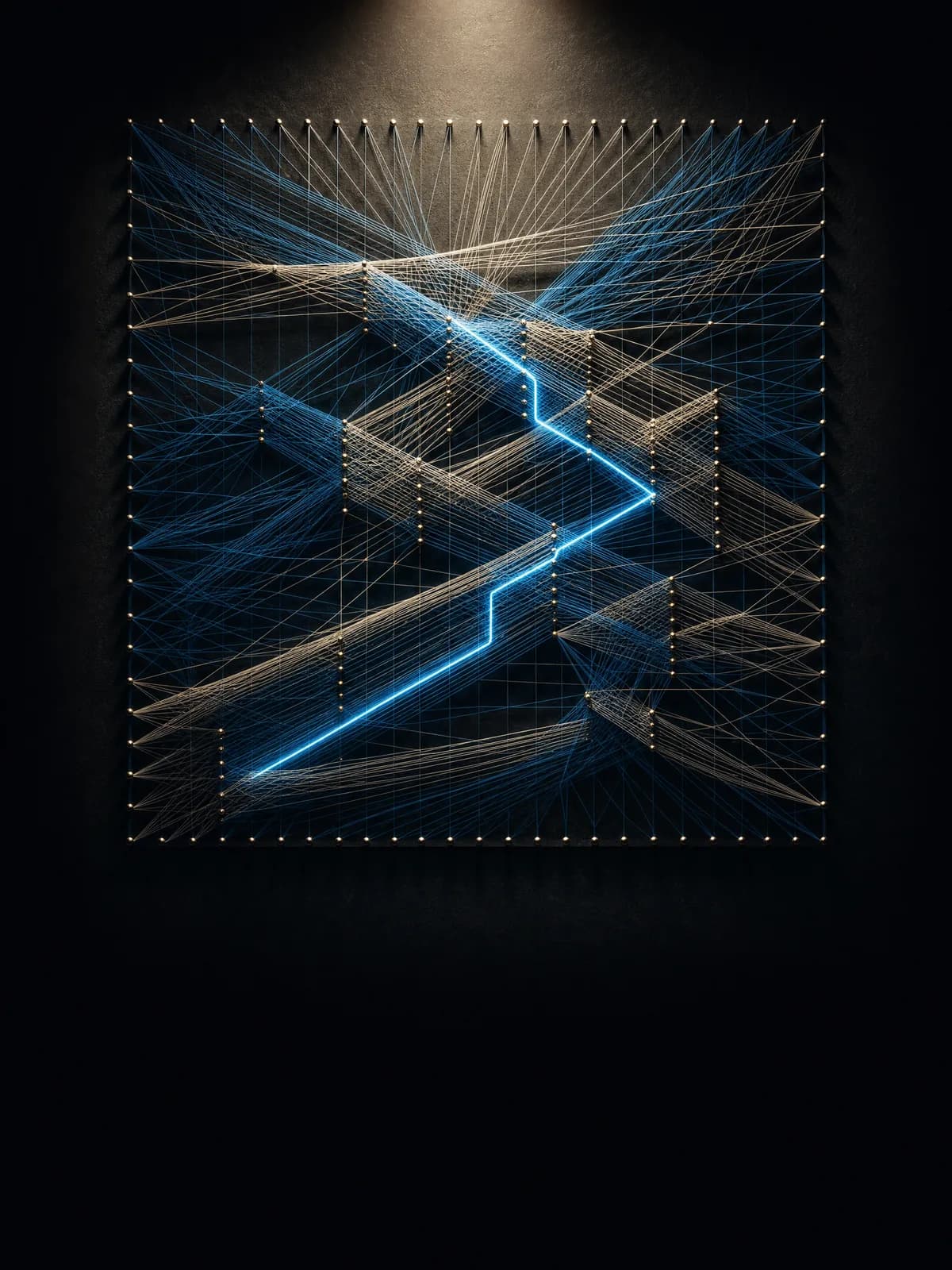
Questions about the issues of the day appear on the screen. You answer into the microphone. Speech recognition takes the answer, a classifier tags it, and the answer becomes a point in a three-dimensional network that joins similar answers with lines.

You can set your own answer beside the others' and see where views overlap and where they part. The aim: to encourage people to talk rather than drift apart, and to counter polarisation in how opinions form.

From public sources
Eight questions

1. What are the biggest problems the state must solve in the next ten years?

2. What is the biggest problem in your neighbourhood?

3. What should your city do so that you live more healthily?

4. What do you do every day that you are not paid for, and why?

5. Which jobs do you think are important? Say why.

6. What would make you give up your own car?

7. If you were free to make your ideal job, what would it look like? Describe it for us.

8. What do you want the city's empty lots and half-built buildings for, and why?

Written by us

Where the idea is from

The original installation, «Data Correlations», is Studio Brüll's work: a microphone, speech recognition, a language model for tagging, and a live graph on a wall. This experience rebuilds that idea for the browser and for Iran.

From public sources

What this rebuild does

This network holds 67 written answers, about 1,400 sample answers made from short phrases, and whatever you say. A small keyword tagger in your browser works in place of the language model. If you wish, it sets your province beside your answer, and the «provinces» lens turns the network into a map of Iran. Your answer is sent to the network with your visit number, nameless, so others see it too; your voice is not. You can turn this off in «Your record».

Written by us

For discussion

  1. Which answers of others was yours close to, and which far from? What makes that distance?
  2. Which «important» job was rarely seen in the network? Why do fewer people think of it?
  3. If your city did one thing for your health, which would you see sooner: something built, or something removed?

In the same theme · Sound

What can be done · Sound

  • Petition

    On karzar.net you can sign or start a petition; the body addressed sometimes replies officially. A short text and a clear demand gather more signatures.

  • The neighbourhood council

    NowIn Tehran the neighbourhood councils are elected, advisory and without a budget; their monthly meetings are open and the district municipality decides.

    In a free IranA neighbourhood council with a share of the budget it spends itself meets in the library or the sports hall and publishes the minutes the same night. Go, sit, ask.

  • NGOs and professional associations

    Membership of an environmental NGO or a neighbourhood charity, or of your own profession's association, starts with a form; the teachers' and pensioners' associations exist right now, at all the cost it brings them.

Next: Fight or agree?

آینده‌های دموکراسی · ایران۱۴۰۵
آینده‌های
دموکراسی
پانزده تجربه دربارهٔ آینده‌های دموکراسی در ایران
۰۰۰