Futures of Democracyفا

ساعت نه و نیم صبح است و قرعه به نام تو افتاده: داری می‌روی مجلس. سه پرسش، هر کدام با دو رو؛ بچرخان و مقایسه کن.

چه کسی بهتر می‌تواند مرا نمایندگی کند؟

برای نمایندگیِ تو، کدام بهتر است؟

کار احزاب را چه کسی بر عهده می‌گیرد؟

کدام با این پرسش‌ها بهتر کنار می‌آید؟

به چه کسی بیشتر اعتماد می‌کنیم؟

به کدام بیشتر اعتماد می‌کنی؟

دموکراسی قرعه‌ای، چطور کار می‌کند؟

  1. شهروندان به قید قرعه انتخاب می‌شوند؛ مثلاً از سامانهٔ ثبت احوال. بیشتر از تعداد کرسی‌ها دعوت می‌شوند.
  2. از همهٔ دعوت‌شدگان اطلاعات بیشتری پرسیده می‌شود: شغل، سن، تحصیلات، استان، و مانند آن.
  3. در قرعهٔ دوم، یک الگوریتم ویژگی‌ها را می‌سنجد و مجمع را طوری می‌چیند که تا حد ممکن آینهٔ گوناگونی جمعیت باشد.
  4. اگر گروهی کم‌شمار باشد، وزنش را بالا می‌برند تا مجمع شبیه جامعه شود.

هزار نفر دعوت شدند و ۳۱۱ نفر قبول کردند: دانشگاهی‌ها و سالمندان بیش از سهمشان، کم‌تحصیل‌ترها و روستایی‌ها کمتر. قرعهٔ دومِ طبقه‌بندی‌شده ترکیب را به جمعیت نزدیک می‌کند.

  • جمعیت
  • ۹۹ نفر اولی که قبول کردند
  • قرعهٔ طبقه‌بندی‌شده

سن

  • ۱۸ تا ۲۹

    ۲۴٪
    ۲۰٪
    ۲۴٪
  • ۳۰ تا ۴۹

    ۴۳٪
    ۳۸٪
    ۴۲٪
  • ۵۰ تا ۶۴

    ۲۱٪
    ۱۹٪
    ۲۱٪
  • ۶۵ به بالا

    ۱۳٪
    ۲۲٪
    ۱۲٪

جنسیت

  • زنان

    ۵۰٪
    ۵۶٪
    ۴۹٪
  • مردان

    ۵۱٪
    ۴۴٪
    ۵۱٪

تحصیلات

  • زیر دیپلم

    ۳۵٪
    ۱۹٪
    ۳۴٪
  • دیپلم و فنی

    ۳۹٪
    ۳۴٪
    ۳۹٪
  • دانشگاهی

    ۲۷٪
    ۴۶٪
    ۲۶٪

محل زندگی

  • تهران

    ۱۶٪
    ۱۹٪
    ۱۶٪
  • شهرهای دیگر

    ۵۸٪
    ۶۸٪
    ۵۹٪
  • روستا

    ۲۶٪
    ۱۳٪
    ۲۵٪

The vote · A parliament by lot

The luck of the draw

یک جلسه در مجمع

مجمع شهروندی زاینده‌رود، هفتهٔ ششم

گشایش

از داستان رضا در «حالِ همه‌مان چطور است؟»: صد و بیست نفر به قید قرعه، هر پنجشنبه دور یک میز، و دو صندلی که همیشه خالی است. امروز یک صندلی مال توست. آدم‌های دور میز نوشته شده‌اند؛ حرف‌هایشان به انتخاب تو بستگی دارد.

جدول تابستانلیلاحاج قاسمبهراممهندسرودخانهرضامریمساراتونیامده‌ها

لیلا · تسهیلگر

هفتهٔ ششم. صد و بیست نفر، از ورزنه تا چادگان، و امروز یک صندلی تازه: تو. قاعده‌ها همان‌هاست: هرکس حرف می‌زند، اول می‌گوید از کجا آمده؛ هرکس سهم بیشتری بخواهد، اول از دو صندلی خالی حرف می‌زند: رودخانه، و آن‌ها که هنوز به دنیا نیامده‌اند. پرسش امروز جدول تابستان است: آبی که هست، بین شالی و فولاد و تالاب و شهر چطور تقسیم شود. حاج قاسم، از تو شروع می‌کنیم.

The vote · The luck of the draw

What if the lot fell on you and you went to parliament? Three questions with two sides, and a machine that shows how a fair draw works.

The luck of the draw

It is half past nine in the morning in Tehran. Now imagine: you are on your way to parliament to represent the interests of all citizens. But nobody voted for you; the lot fell on you. The same lot we know from housing and cars. Democracy without elections?! What seems unimaginable at first is a serious debate among researchers: if political decisions were made by people chosen by lot, everyone would have an equal chance of being heard. Would that increase our trust in politics? What do we gain and what do we lose?

Written by us
The first Majles, six estates

Descriptive representation is no stranger to Iran. The first Majles of 1285 was elected on the basis of six estates: princes and Qajars, clergy, notables, merchants, landowners and guilds. Each estate sent its own representatives so that the Majles would resemble the society they knew. The lot does the same with another tool.

Written by us

Sources

  • The first Majles and the six estates: electoral law of 1285: princes and Qajars, clergy, notables, merchants, landowners, guildselectoral law of 1285, ۱۲۸۵

Lottery democracy, how does it work?

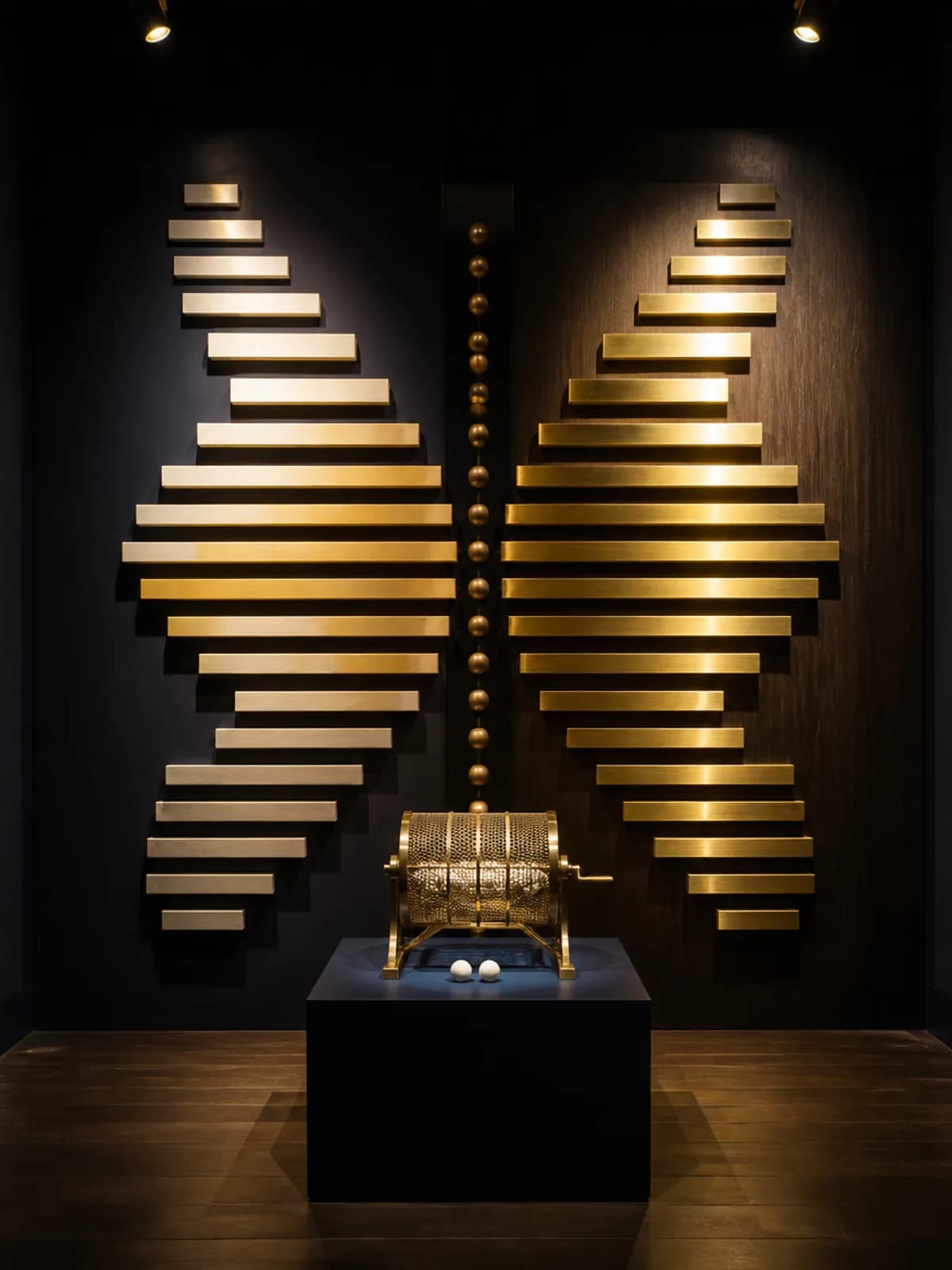
Citizens are chosen by lot; from the civil registry, say. More are invited than there are seats.

All those invited are asked for more information: occupation, age, education, province, and the like.

In a second draw an algorithm weighs these features and composes the assembly so that it mirrors the population's diversity as far as possible.

If a group is small, its weight is raised so the assembly resembles society.

From the exhibition

A session of the assembly

This session grew out of Reza's story in «How are we all doing?»: an assembly chosen by lot that sits round one table every Thursday to write the water table. The people round the table are written, not generated by a machine; Leila, Haj Qasem, Bahram and the engineer are this site's, Reza, Maryam and Sara come from the four stories. What they say depends on what you choose, and has no more than twenty-odd branches.

There is no number in this session that is not on the site's fact sheet: the engineer gives the order of the shares in words and names the three Koohrang tunnels, that is all. The scroll of Sheikh Bahai is real and has set the division of the Zayandeh-rud for four hundred years; its shares are only alluded to here. Your chair and your vote are recorded without a name, and at the end of the session you see the others' share. Reza's last question is this experience's question: lot or vote?

Written by us

Sources

  • The Koohrang tunnels: three tunnels carrying water from the Karun headwaters to the Zayandeh-rud (1332, 1364, under construction); the river in Isfahan is dry most of the yearIsfahan Regional Water Company; press reports, ۱۴۰۳(cited)

Who can represent me better? in an electoral democracy

The budget debate, a new insurance law, the division of water: political issues and decisions are complex. Experienced politicians know the fine print of politics. They have expertise in various subjects and pass it on through their current and their list. This lets them find creative solutions and resolve conflicts. In conversation with voters, other currents and in political debate, they gain new views.

From the exhibition

Who can represent me better? in a lottery democracy

If the lot decided, members would bring far more varied lived experience to political debate; provided people as diverse as possible could be drawn into taking part. Is a diverse parliament valuable «in itself», and does it treat the different groups of society more fairly? Minorities might be heard and accepted better. And it might encourage people to take more part in politics.

From the exhibition

Who takes on the work of parties? in an electoral democracy

Parties and currents gather opinions from society, set varied interests side by side, build agreement, write new proposals and bring them to parliament through their factions. Some researchers believe that without elections no party would remain; at least not in the form we know today. Who takes on its work?

From the exhibition

Who takes on the work of parties? in a lottery democracy

There are more questions: what does lottery democracy do with protests and long-term projects? Do the best speakers take over the debates? Do expert advisers in effect steer the parliament?

From the exhibition

Whom do we trust more? in an electoral democracy

Write the name and the code! The ballot gives citizens the freedom to decide who goes to parliament. Before that comes a contest for political power: which candidate argues more convincingly in the campaign, represents me and my interests and my position better, or is simply more likeable? Elections are held to be the best way of gathering different voices. Every vote counts equally and has a share in the make-up of parliament. Losers can stand again next time.

From the exhibition

Whom do we trust more? in a lottery democracy

Once and no more: a member chosen by lot is not re-elected, so bears less responsibility for the consequences of what they do. But that is not necessarily a flaw: they need make nobody a tactical electoral promise or follow a current's line. Long-term relationships with lobbies and rent-seekers? Probably those do not last either. So more room opens for debate over the better argument.

From the exhibition

Now / in a free Iran

  • Now

    Of about forty-nine thousand who registered, about fifteen thousand reached the ballot; the rest were struck off by a council nobody voted for.

    Vetting of the 1402 Majles candidates، Esfand 1402 · Approbatory supervision، ۱۳۷۰

    In a free Iran

    Standing is a form, sometimes a few hundred signatures or a returned deposit; the voter judges a candidate's beliefs, not a board.

    Candidacy in free countries، ۲۰۲۴

    The gap: two of every three candidates.

  • Now

    A parliament by lot is impossible in today's Iran, because the lot itself would pass through the vetting filter.

    Approbatory supervision، ۱۳۷۰

    In a free Iran

    Ireland's citizens' assembly was ninety-nine people by lot and its proposal went to a referendum; France's a hundred and fifty people and a hundred and forty-nine proposals.

    Citizens' assemblies with an official answer، ۲۰۲۰

    The gap: an institution that does not exist here.

Every number on the «now» side is from the site's fact sheet; every number on the «in a free Iran» side is a real figure from a free country or an international body, not a wish.

For discussion

  1. If the lot fell on you, would you go? What would stop you?
  2. Do you trust a parliament drawn by lot more, or an elected one? For which decisions?
  3. The first Majles was composed of six estates. Which «estates» are missing today?
  4. In the Zayandeh-rud assembly two chairs are empty: the river, and those not yet born. Which chair is empty in your city's decisions?

In the same theme · The vote

What can be done · The vote

  • The councils

    NowThe seventh city and village council elections have no date yet, and their candidates pass through the same vetting filter. The council you elect has its budget closed by the municipality.

    In a free IranA neighbourhood council with a share of the budget it spends itself, candidacy without a filter, and an election date written in the law, not held in anyone's hand.

  • The blank vote and staying home

    NowIn the official figures a blank ballot counts among the «invalid votes» and is announced at the foot of the page. Staying home counts too: in 1402, fifty-nine of every hundred.

    In a free IranThe blank vote has its own column and is counted. When people stay home, that is the news of the election, not a figure at the foot of the page.

  • Your representative

    NowThe representative you voted for passed the Guardian Council before you and answers to it after you. The proceedings are public; a reply to a letter usually is not.

    In a free IranA representative answers to their constituency and nobody else. Your letter is logged and answered within a legal deadline; their votes are on one page, by name.

Next: The mirror of the Majles

آینده‌های دموکراسی · ایران۱۴۰۵
آینده‌های
دموکراسی
پانزده تجربه دربارهٔ آینده‌های دموکراسی در ایران
۰۰۰