Futures of Democracyفا
شروعپایان

۱.کجا؟

حزب و انجمن

حل مشکل با دیگران

تجمع و اعتراض

هیچ‌جا

۲.چه موضوعی؟

هر موضوعی

زندگی نزدیکم

چیزی که بلدم

هیچ‌کدام

۳.چقدر؟

همیشه

گاهی

به‌ندرت

اصلاً

۴.با ایده‌ها چه شود؟

عیناً اجرا شود

بررسی، بحث، اجرا

بحث جدی مسئولان

فقط پیشنهاد

۵.تا حالا شرکت کرده‌ای؟

بله، و…

علاقهٔ بیشتر

فهم مخالف

درک مسئولان

شنیده می‌شوم

فایده نداشت

نه، چون…

وقت ندارم

چیزی عوض نمی‌شود

راهش را نمی‌دانم

حاضر نیستم

فرصتی نبوده

شنیده نمی‌شوم

۱۰۰٪

گام اول · نخ

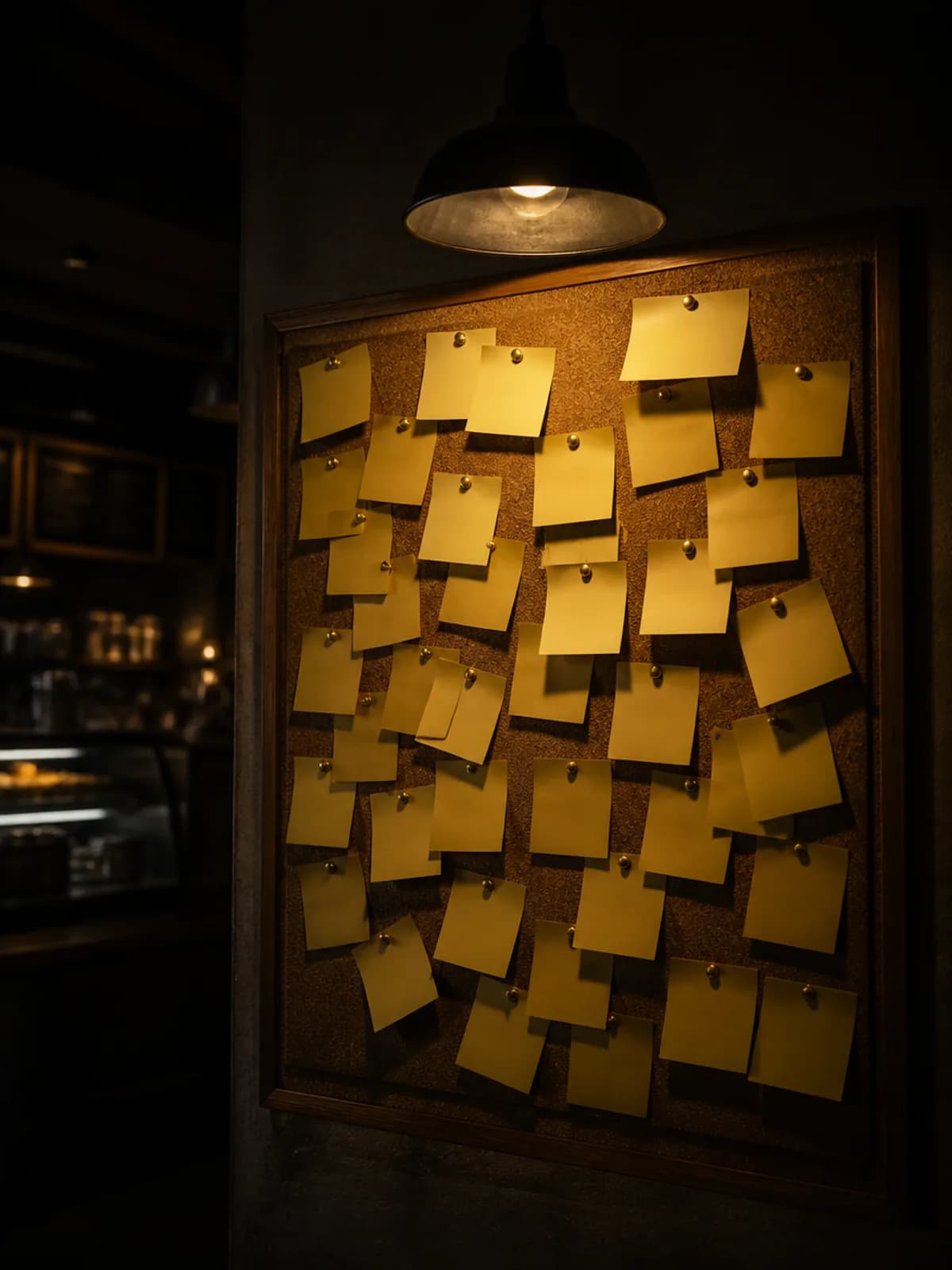
نخی به رنگ گروه سنی‌ات ببُر.

روی دیوار هر رنگ یک گروه سنی است. نخ تو کنار ۱۶۰ نخ دیگر می‌نشیند: از شروع، دور یک پاسخ برای هر پرسش، تا میخ پایان.

Sound · Tie your own thread

Threads of the relationship

Sound · Threads of the relationship

Your relationship with the people you elect hangs by a thread. Five questions, one thread in the colour of your age, and a hundred and sixty others to compare with.

Threads of the relationship

The relationship of citizens with those they elect, and with those they cannot elect, sometimes hangs by a thread. Some turn their backs on politics entirely or agree with no decision; others fight for specific goals and projects and soon hit a wall. There are ways to tie new threads between citizens and their representatives, and more in a free Iran: a neighbourhood council with a budget, a citizens' assembly by lot, a petition, a professional association, an NGO. What exists today is a council that only advises and a parliament whose candidates someone else chose. Across the world experiments are under way with one main aim: better democracy through more participation for everyone; even for those who take little part today, or none. These new possibilities raise personal questions too: what is my role, where do I stand? And how much can I, and do I want to, contribute?

Written by us

Sources

  • City and village councils: elected since Esfand 1377; the seventh election still has no datecouncils law; Guardian Council spokesman, Shahrivar 1405, Shahrivar 1405
What democratic threads do you weave?

Decide how you want to take part in the future.

1. Take a thread in the colour of your age group and cut it. 2. Tie the thread to the starting point. 3. Wind the thread round your answers. 4. Tie the thread to the last pin.

From the exhibition

1. Where do you want to take more part?

— حزب، انجمن صنفی یا سمن

— کار با دیگران برای حل یک مشکل مشخص

— تجمع و اعتراض

— هیچ‌جا؛ بگذار بقیه انجامش بدهند

From the exhibition

2. On which subjects do you turn up?

— هر موضوعی، از محله تا جهان، کسل‌کننده یا داغ؛ مهم این است که حرفم شنیده شود

— موضوع‌هایی که به زندگی نزدیکم مربوط است

— موضوع‌هایی که خوب ازشان سر درمی‌آورم

— هیچ‌کدام، برای این کارها متخصص هست

From the exhibition

3. If all the conditions were right, how much would you take part?

— همیشه و منظم

— گاهی، اگر پروژه هیجان‌انگیز باشد

— به‌ندرت

— اصلاً

From the exhibition

4. Suppose you have worked with others on ideas for a political issue. What should happen to these ideas?

— باید دقیقاً همان‌طور اجرا شوند

— کارشناسان بررسی کنند، با مردم بحث شود، بعد اجرا شود

— مسئولان موظف باشند جدی دربارهٔ آن بحث کنند

— فقط پیشنهادی برای ادامهٔ گفت‌وگو هستند

From the exhibition

5. These days there is much talk of new forms of participation: a neighbourhood council, a petition, a citizens' assembly drawn by lot. Have you ever taken part in one?

— بله، و حالا بیشتر به سیاست علاقه دارم

— بله، و نظرهای مخالف را بهتر می‌فهمم

— بله، و کار مسئولان را بهتر درک می‌کنم

— بله، و حس می‌کنم می‌توانم کاری بکنم و شنیده می‌شوم

— بله، و به نظرم فایده‌ای نداشت

— نه، چون وقت ندارم و گرفتاری‌های دیگری دارم

— نه، چون باور ندارم با من چیزی عوض شود

— نه، چون نمی‌دانم چطور می‌شود شرکت کرد

— نه، چون حاضر نیستم وقت و انرژی بگذارم

— نه، چون چنین فرصتی سر راهم نبوده

— نه، چون حس می‌کنم شنیده نمی‌شوم

From the exhibition

The fifth question is about citizens' assemblies

A citizens' assembly is a group of citizens chosen by lot who talk about one subject over a few weekends, hear from experts and hand their proposals to the parliament or council. The «yes» answers on the wall are the things researchers measure: interest, tolerance, understanding, a sense of effect, or disappointment. The «no» answers are the obstacles: time, futility, not knowing the way, unwillingness, not knowing, not being heard.

Written by us

What the wall says

کجا؟ حل مشکل با دیگران ۳۸٪ · حزب و انجمن ۲۷٪ · تجمع و اعتراض ۱۸٪ · هیچ‌جا ۱۸٪. بیشترین انتخابِ هر گروه: ۰ تا ۱۶ سال: حل مشکل با دیگران · ۱۷ تا ۳۹ سال: حل مشکل با دیگران · بالای ۴۰ سال: حزب و انجمن.

چه موضوعی؟ زندگی نزدیکم ۳۹٪ · هر موضوعی ۲۷٪ · چیزی که بلدم ۲۴٪ · هیچ‌کدام ۱۱٪. بیشترین انتخابِ هر گروه: ۰ تا ۱۶ سال: زندگی نزدیکم · ۱۷ تا ۳۹ سال: هر موضوعی · بالای ۴۰ سال: زندگی نزدیکم.

چقدر؟ گاهی ۴۸٪ · همیشه ۲۸٪ · به‌ندرت ۱۳٪ · اصلاً ۱۲٪. بیشترین انتخابِ هر گروه: ۰ تا ۱۶ سال: گاهی · ۱۷ تا ۳۹ سال: گاهی · بالای ۴۰ سال: همیشه.

با ایده‌ها چه شود؟ بررسی، بحث، اجرا ۴۸٪ · بحث جدی مسئولان ۳۱٪ · فقط پیشنهاد ۱۳٪ · عیناً اجرا شود ۹٪. بیشترین انتخابِ هر گروه: ۰ تا ۱۶ سال: بحث جدی مسئولان · ۱۷ تا ۳۹ سال: بررسی، بحث، اجرا · بالای ۴۰ سال: بررسی، بحث، اجرا.

تا حالا شرکت کرده‌ای؟ وقت ندارم ۱۹٪ · چیزی عوض نمی‌شود ۱۵٪ · راهش را نمی‌دانم ۱۲٪ · فرصتی نبوده ۱۱٪ · شنیده نمی‌شوم ۱۰٪ · شنیده می‌شوم ۹٪ · حاضر نیستم ۹٪ · علاقهٔ بیشتر ۸٪ · درک مسئولان ۳٪ · فایده نداشت ۳٪ · فهم مخالف ۲٪. بیشترین انتخابِ هر گروه: ۰ تا ۱۶ سال: راهش را نمی‌دانم · ۱۷ تا ۳۹ سال: وقت ندارم · بالای ۴۰ سال: چیزی عوض نمی‌شود.

Sample data

Now / in a free Iran

  • Now

    The neighbourhood council has no budget; it advises, and the district municipality decides.

    Neighbourhood council، Aban 1378

    In a free Iran

    Paris puts about five percent of the city's capital budget to the residents' vote; Porto Alegre since 1989.

    Paris's participatory budget، ۲۰۲۴ · The first participatory budgeting، ۱۹۸۹

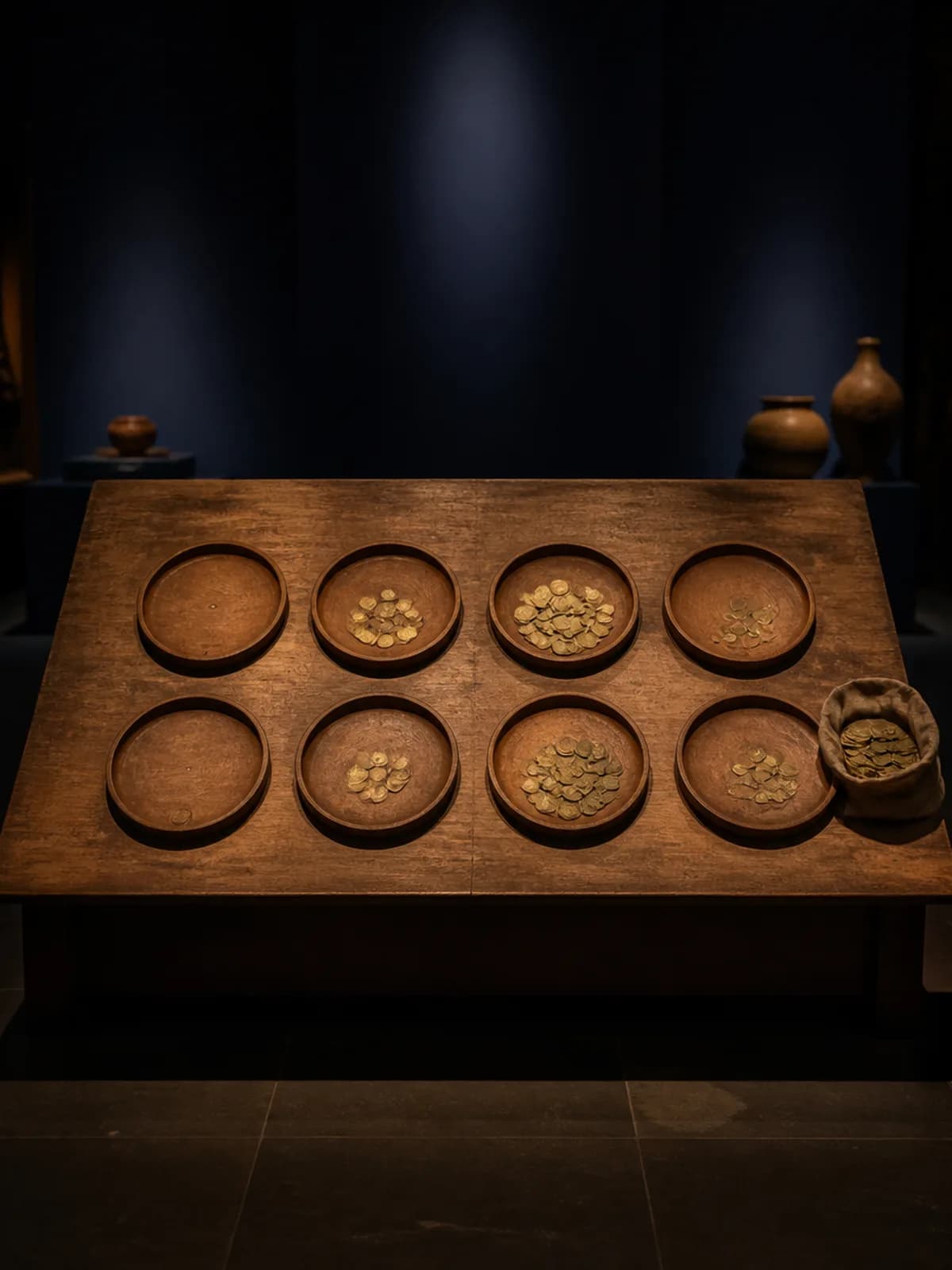
    The gap: this experience's hundred coins, imaginary here and spent there.

Every number on the «now» side is from the site's fact sheet; every number on the «in a free Iran» side is a real figure from a free country or an international body, not a wish.

For discussion

  1. When was the last time you took part in something that did not concern you directly?
  2. Which of the «no, because…» answers is most like you? What would make that obstacle smaller?
  3. If a citizens' assembly's ideas stayed only «proposals», would it still be worth the time?

In the same theme · Sound

What can be done · Sound

  • Petition

    On karzar.net you can sign or start a petition; the body addressed sometimes replies officially. A short text and a clear demand gather more signatures.

  • The neighbourhood council

    NowIn Tehran the neighbourhood councils are elected, advisory and without a budget; their monthly meetings are open and the district municipality decides.

    In a free IranA neighbourhood council with a share of the budget it spends itself meets in the library or the sports hall and publishes the minutes the same night. Go, sit, ask.

  • NGOs and professional associations

    Membership of an environmental NGO or a neighbourhood charity, or of your own profession's association, starts with a form; the teachers' and pensioners' associations exist right now, at all the cost it brings them.

Next: The neighbourhood budget

آینده‌های دموکراسی · ایران۱۴۰۵
آینده‌های
دموکراسی
پانزده تجربه دربارهٔ آینده‌های دموکراسی در ایران
۰۰۰